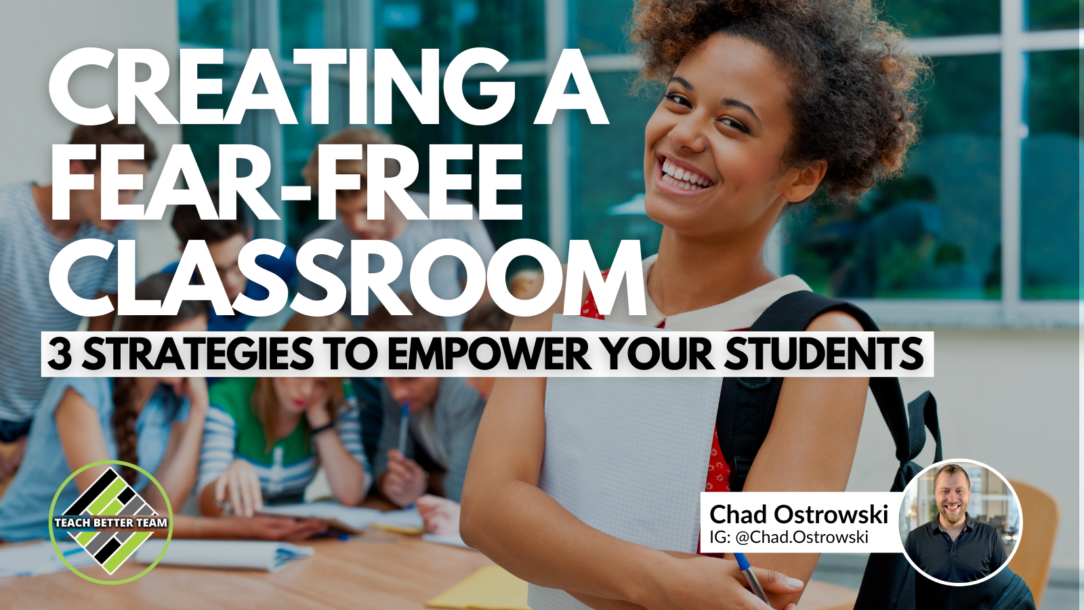
TL;DR (Too Long, Didn’t Read) Fear is one of the biggest barriers to student learning. This post explores how fear of failure, judgment, and inadequacy shows up in classrooms and offers three practical strategies teachers can use to create a fear-free learning environment. By using self-paced learning, multiple opportunities for mastery, and increased student ownership, educators can empower students to … Read More
What Instructional Alignment Requires From Teachers and School Leaders
Article Summary Instructional alignment isn’t a leadership rollout or a teacher-only responsibility. It’s shared work. This post explores what instructional alignment actually requires from both teachers and school leaders. It outlines the distinct but connected roles each group plays, why alignment breaks down, and how co-designed systems create clarity without sacrificing autonomy. Instructional alignment requires both teachers and leaders. Teachers … Read More
The Thing Most People Get Wrong About The Grid Method
TL;DR (Too Long, Didn’t Read The Grid Method is often misunderstood as a curriculum when it’s actually a mastery-based framework.This post explains what The Grid Method is and what it is not, why it was created, and how it helps teachers organize existing curriculum to support mastery learning, differentiation, and student ownership without adding more work or burning out. The … Read More
AI, Executive Function, and the Classroom
Article Summary AI is changing how students interact with learning, but its biggest impact may be on executive function.This post explores how increased AI use can reduce opportunities for students to practice essential executive functioning skills like cognitive flexibility, emotional regulation, response inhibition, and working memory. Drawing on the work of executive functioning specialist Jodi Ridzi, it offers practical ways … Read More
Chaos to Calm: Cafeteria
Article Summary A chaotic cafeteria isn’t inevitable. It’s a systems issue.This post shares five proven strategies schools can use to transform the lunchroom from noisy and stressful into a calm, respectful, and inclusive environment. With clear expectations, structure, and intentional design, lunch can become a positive part of the school day that supports student well-being and learning. Cafeteria chaos can … Read More