
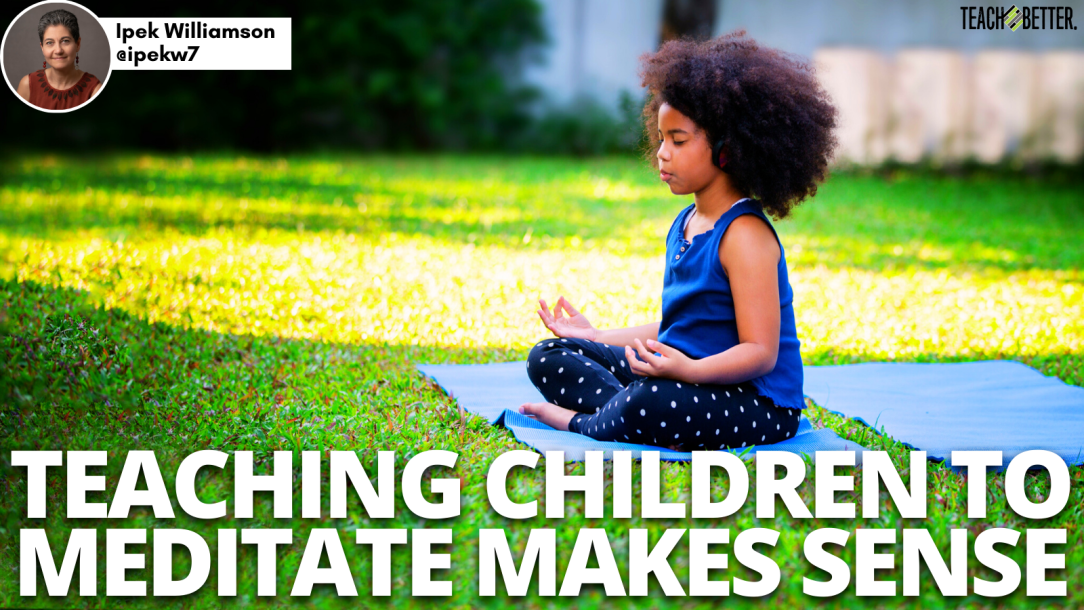
TL;DR: Meditation helps students develop emotional regulation. It helps them improve their ability to handle stress or cope with difficult situations and develop empathy and compassion. Regular practice can also help students increase their level of self-awareness. Bring meditation to your students by starting simple. Use visualization techniques, make it a part of your routine, use props to help students … Read More
Having Tough Conversations in Schools

TL;DR: We need to be more comfortable with having tough conversations in schools. Diving deep into the uncomfortable is part of the job of an educator. This year, my school is focusing on developing more equitable practices, which include equitable grading, incorporating equitable dialogue into our curriculum, and addressing behavior issues where students aren’t treating each other equitably or respecting … Read More
Becoming an Instructional Leader

TL;DR: Instructional leaders don’t have all the answers, especially at the beginning. It is important to tap into tools and resources to be an effective instructional leader. How does an educator become an instructional leader? “An instructional leadership mindset includes an intense moral purpose focused on promoting deep student learning, professional inquiry, trusting relationships and seeking evidence in action” (Timperley, … Read More
Turn Up the Quiet

TL;DR: In today’s world, there is a lot of noise in our lives. Everyone benefits from some silence to give their mind some peace and open it up for thoughts, dreams, and inspiration. Ever get in your car at the end of a school day and you have to turn off all sounds? Music, podcasts, potential phone calls, all of it—off. … Read More
Co-Teaching Is Tough

TL;DR: A strong co-teaching relationship involves both teachers using their expertise to co-plan, co-teach, and co-assess as equals. Make sure to consistently reflect on your co-teaching relationships and practices. Give both your co-teacher and yourself grace. Co-teaching is tough, whether you have been co-teaching for one semester, one year, or years. Yes, the cliche sayings that a co-teaching relationship is … Read More