TL;DR (Too Long, Didn’t Read)
Teaching feels harder when behavior gets in the way of learning. This post explores how calm, connected, high-performing classrooms are built through clear expectations, consistent structure, and strong relationships. By teaching behavior as intentionally as we teach academics, avoiding power struggles, and leading with empathy, educators can reclaim instructional time, reduce burnout, and rediscover joy in teaching.
- Classroom management and academic success are inseparable.
- Students need behavior taught, modeled, and reinforced…just like content.
- Repeated warnings and debates weaken expectations and drain teacher energy.
- High expectations paired with empathy create equity, not punishment.
- Strong relationships and calm responses reduce misbehavior more than rewards.
- Thoughtful classroom design and teacher self-care directly impact learning.
- Structure and consistency help both students and teachers thrive.
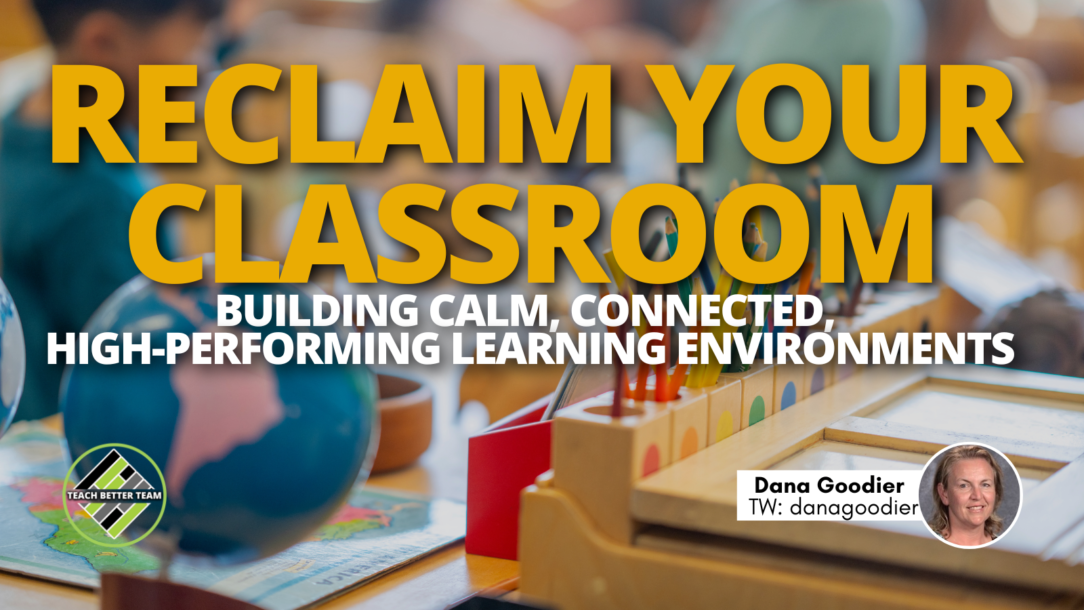
Reclaim Your Classroom: Building Calm, Connected, High-Performing Learning Environments
By the third month of the school year, many teachers feel it — the exhaustion that comes from constant redirections, disengaged students, and a never-ending cycle of minor misbehaviors. You might be asking yourself: Why does it feel like I’m spending more time managing behavior than teaching content?
You’re not alone. Across classrooms everywhere, educators are finding that even their most engaging lessons fall flat if students are dysregulated, distracted, or unmotivated. The good news? You can regain control of your classroom — and your joy for teaching — by combining high expectations with clear structure, consistent follow-through, and genuine connection.
Academics and Discipline Go Hand in Hand
You can be the most brilliant content expert in your school, but without classroom control, your best lessons never fully land. Students thrive in calm, structured, and high-performing environments — places where expectations are clear and consistent, and where every student feels seen and valued.
The key is to teach behavior as deliberately as you teach academics. We can’t expect students to automatically understand the “how” of classroom conduct. Just as we model reading strategies or problem-solving steps, we need to explicitly model how to collaborate, transition, or regulate emotions when things get tough.
This doesn’t mean becoming authoritarian. Instead, it means becoming authoritative — maintaining structure, demonstrating empathy, and giving students ownership of their learning environment.
[scroll down to keep reading]
Avoid the “Debate Bait.” No More Warnings, No More Power Struggles
Have you ever caught yourself saying, “I’ve already told you three times…”? Those repeated requests drain your energy and signal to students that boundaries are negotiable. When we engage in “debate bait,” we shift the focus away from learning and toward conflict.
Instead, use proactive strategies. Address misbehavior calmly and immediately, without argument. Tools like a Refocus Form or Buddy Teacher system can help students pause, reflect, and re-enter the learning space gracefully — without disrupting instruction or escalating emotions.
This approach communicates a vital message: You are responsible for your choices, and you are always welcome back once you’re ready to learn. It’s about maintaining dignity and preserving instructional time.
Do You Truly Have High Expectations?
It’s easy to say we hold high expectations for students, but what message do we send when we tolerate chronic disruptions or “pay” students to behave through constant reward systems?
While systems like PBIS can serve as useful frameworks, they sometimes unintentionally lower expectations by teaching students that good behavior deserves external payment rather than internal satisfaction. Instead, we should help students connect positive behavior with a sense of belonging, success, and self-pride.
When we allow inappropriate behavior or make excuses (“they’ve had a rough day”), we unintentionally communicate that students are not capable of meeting the same standards as their peers. True equity means holding every student to a standard of respect, responsibility, and effort — and supporting them to reach it.
The Power of Unconditional Positive Regard
Classroom management is not about control — it’s about relationships. Madeline Hunter’s timeless insight still rings true: “Kids don’t care how much you know until they know how much you care.”
Building Unconditional Positive Regard means valuing students as people first. It means seeing beyond the behavior to the why behind it. Instead of asking, “What’s wrong with you?” we ask, “What happened to you?”
A trauma-informed approach recognizes that many challenging behaviors are actually stress responses — signs that a student feels unsafe, disconnected, or unseen. When students know you care deeply about their success and their well-being, they’re far more likely to meet your expectations and engage in learning.
Try the 2×10 strategy: spend two minutes a day for ten consecutive days talking to a student about anything non-academic. It’s a simple but powerful way to humanize relationships and reduce chronic misbehavior.
Refocus, Don’t React
When misbehavior occurs, your reaction determines whether learning stops or continues. Calm is contagious — and silence is powerful.
For low-level disruptions, a simple, calm prompt (“Please stop tapping your pencil.”) communicates expectation without emotion. If the disruption continues, move to a structured consequence like a Refocus Form that invites reflection:
- What was your behavior?
- What did you want?
- What will you do next time?
Once complete, the student returns to class with a graceful reentrance — a reminder that every moment is an opportunity to start fresh.
Designing the Environment for Success
Physical and emotional climate matter. The way a classroom looks, sounds, and feels impacts learning. Consider how lighting, music, and seating arrangements affect energy and focus. If your current setup isn’t working, “If it’s not fixed, break it.” Try new arrangements that support collaboration and movement.
Even more importantly, check your own stress level. The Yerkes-Dodson Law shows that both students and teachers perform best when moderately challenged — not bored, not overwhelmed. Protect your own balance through mindfulness, physical activity, and intentional self-care. Apps like Calm (free for educators) and communities like #FitLeaders can help sustain you throughout the school year.
Rediscover Your Why
Teaching is one of the most demanding — and most rewarding — professions. When classrooms run smoothly, teachers reclaim their passion, and students rediscover the joy of learning.
Take time this week to reflect:
- What classroom practices are working now?
- What do you enjoy about them?
- What would you like to alter?
- When will you make the decision to implement those changes?
As you fine-tune your routines, remember: every moment of structure and consistency gives your students — and yourself — more room to thrive.
You can have a calm, quiet, happy, high-performing classroom. It’s not about perfection — it’s about persistence, presence, and purpose. The strategies that help you manage behavior are the same ones that reignite your passion for teaching.
So take a deep breath, set your expectations high, and remind yourself — Yes, you can.
Article Recap
- Calm classrooms are built, not wished into existence.
- Clear structure allows students to feel safe, capable, and engaged.
- Teaching behavior intentionally prevents power struggles later.
- High expectations communicate belief in students’ ability to succeed.
- Relationships and unconditional positive regard drive long-term behavior change.
- Reflection and small adjustments lead to sustainable classroom improvement.
- A well-run classroom restores both learning and teacher joy.
About Dana Goodier
Dr. Dana Goodier has 23 years of experience in education. She has taught World Languages and English and worked as a middle school administrator. She completed her doctorate degree (Ed.D.) in Educational Leadership early 2020. For her dissertation, she researched reasons parents were opting their students out of high-stakes testing at middle schools and how that affected the district accreditation rating.
She often speaks at conferences, providing educators with techniques to minimize off-task behavior and to increase time on task. Goodier is the host of the “Out of the Trenches” podcast, which features educators who share their stories of resiliency. She is also the author of the book, “Out of the Trenches: Stories of Resilient Educators.”
Follow her on Twitter @danagoodier and visit her website at: www.danagoodier.com